Bonner Font for Handmade Creations
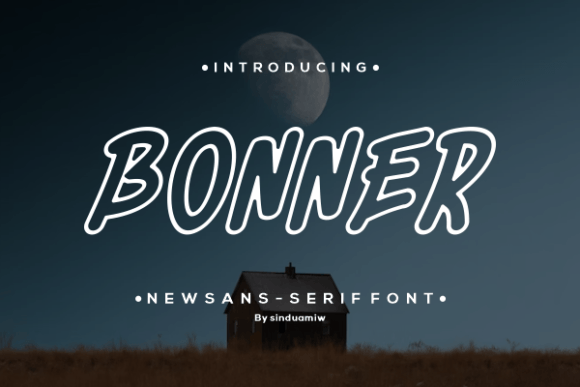
Bonner is a fun and unique sans serif display font that brings a fresh, modern energy to any creative project. As someone who makes everything from handmade labels to digital printables, I know how important it is to have a font that looks great and works well in real-world applications. Bonner fits the bill perfectly with its clean lines, friendly charm, and versatility.
What Makes Bonner Stand Out?
Bonner has a distinct personality that sets it apart from other display fonts. Its bold yet approachable design makes it ideal for both decorative and functional use. Whether you're creating a label for a handmade candle or designing a wedding invitation, Bonner adds a touch of style without sacrificing readability. The font's consistent stroke weight and open letterforms ensure that text remains legible even at smaller sizes, which is crucial for product packaging and signage.
The visual appeal of Bonner lies in its balance between simplicity and character. It feels modern but not too trendy, making it a reliable choice for long-term use in your design projects. This makes it especially useful for small shop owners and Etsy sellers who need a font that can grow with their brand.
Practical Uses for Bonner in Craft Projects
Bonner is incredibly versatile and can be used across a wide range of craft and product-based projects. Here are just a few examples of how I've incorporated it into my work:
- Handmade Labels: I use Bonner for labeling jars, candles, and handmade soaps. The font’s clarity ensures that customers can easily read product names and descriptions, while its friendly look adds a personal touch.
- Greeting Cards and Invitations: For birthday cards and wedding invitations, Bonner gives a polished yet warm appearance. It pairs well with handwritten script fonts for a balanced look.
- Wall Art and Planner Pages: When designing printable wall art or planner pages, Bonner stands out without overwhelming the design. It works particularly well in minimalist layouts where the focus is on the message itself.
- Product Packaging: Whether it's for a boutique item or a seasonal craft, Bonner helps elevate the overall presentation. It enhances the perceived quality of the product and supports brand consistency.
- SVG Designs and Digital Printables: For Cricut and Silhouette users, Bonner is a great choice for creating SVG files that look sharp when cut. Its clean lines translate well to physical stickers and signs.
One thing I appreciate about Bonner is that it works well for short phrases, names, and titles—perfect for product tags, mugs, shirts, and tote bags. However, it's also suitable for longer text when paired with a complementary font for body copy.
Readability Tips for Real-World Use
When using Bonner for physical products like stickers or printed cards, it's important to consider how the font will look when scaled down. I always recommend testing the font at different sizes and previewing it on mockups before finalizing a design. This helps ensure that the text remains clear and easy to read, even on small surfaces.
For cutting machines like Cricut or Silhouette, Bonner’s uniform stroke width makes it easier to cut accurately. I also check for any special characters or ligatures that might affect the final output. If the font includes alternates or swashes, they can add an extra layer of customization to your designs.
Font Pairing Ideas for Creative Projects
Bonner works well with a variety of other fonts, depending on the tone and purpose of the design. Here are some pairing ideas that I’ve found effective:
- Expressive Script Fonts: Pair Bonner with a flowing script font for a contrast between modern and elegant styles. This combination is great for wedding stationery or personalized gifts.
- Clean Serif Fonts: A classic serif font can provide a nice counterbalance to Bonner’s bold sans serif look. This pairing is ideal for formal invitations or packaging designs that need to feel both stylish and trustworthy.
- Minimalist Sans Serif Fonts: For a cohesive look, use another clean sans serif font as the body text. This keeps the design streamlined and professional.
Experimenting with different pairings allows you to create unique visual identities that reflect your brand or project’s personality. Always keep the primary font (Bonner) as the focal point, and use secondary fonts to support the message rather than compete with it.
Commercial Use and Licensing Considerations
If you’re selling physical products, templates, or digital downloads, it’s essential to ensure that Bonner comes with a commercial license. Many fonts require separate licenses for commercial use, and failing to secure one could lead to legal issues. Always check the licensing terms provided by the font creator before incorporating it into your work.
Bonner seems to offer a premium font experience with its usability and aesthetic appeal. Whether you're creating SVG-style designs, web content, or social media graphics, having a font that works well for both digital and print formats is a huge advantage. Its adaptability makes it a valuable addition to any designer’s toolkit.
As a crafter and small business owner, I know that choosing the right font can make all the difference in how your products are perceived. Bonner is a font that not only looks great but also functions well in practical, everyday use. It’s a smart investment for anyone looking to enhance their creative projects with a typeface that balances beauty and utility.