Chemistry 2.0 Font for Web Design Projects
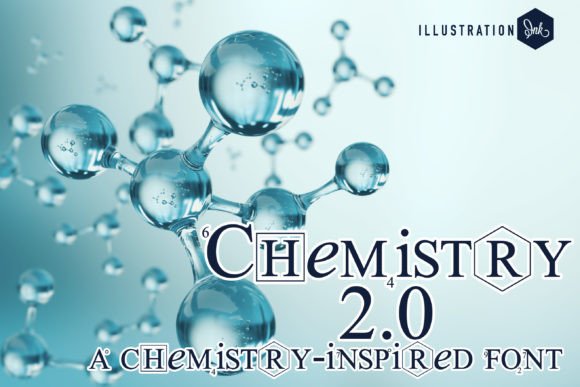
As a web designer, choosing the right typeface can significantly influence the visual tone and usability of a website. Chemistry 2.0, a fun serif display font, brings a unique blend of scientific flair and typographic elegance to digital projects. Its integration of chemistry symbols within letterforms makes it stand out as a creative yet functional choice for science-themed or educational websites.
Visual Characteristics and Digital Appeal
Chemistry 2.0 is designed with a playful yet professional approach, combining the structured look of a serif font with subtle chemical elements embedded in its characters. This makes it ideal for headers, banners, and other prominent text areas where a touch of personality and relevance is needed without compromising readability.
The font’s character set includes a variety of science-related symbols that add an extra layer of meaning and context. Whether you're designing a back-to-school landing page or a science blog, this font can help reinforce your brand's identity and thematic focus.
Using Chemistry 2.0 in Web Layouts
When designing a website, the placement of typography plays a crucial role in guiding user attention. Chemistry 2.0 works best for hero titles, section headings, and call-to-action buttons. Its bold and distinctive appearance ensures that key messages are noticed quickly, which is essential for conversion-focused layouts.
For instance, using Chemistry 2.0 on a course sales page can immediately communicate the subject matter while creating a sense of curiosity and engagement. Similarly, on a boutique online store selling science kits or educational toys, the font can align with the brand’s theme and enhance the shopping experience.
Practical Examples and Use Cases
Coaching Website: A life coach specializing in personal development could use Chemistry 2.0 in their header to create a memorable and unique brand identity. The font adds a creative twist that stands out from typical sans-serif options.
Product Landing Page: For a SaaS product targeting educators, incorporating Chemistry 2.0 into the headline can instantly convey the platform’s purpose and appeal to the target audience.
Blog Header: Science bloggers or educators can benefit from using this font in their blog headers to maintain a consistent and thematic design across all posts.
Readability and Responsive Design Considerations
While Chemistry 2.0 is a display font, it is important to ensure that it remains legible across different screen sizes and devices. On mobile screens, it should be used sparingly and paired with a clean, readable body font like a sans-serif typeface to maintain a balance between style and functionality.
For small buttons or short phrases, consider testing the font at various sizes to ensure clarity. Dark backgrounds may require lighter text colors to maintain contrast, while light backgrounds might need darker tones for better visibility.
Font Pairing and Brand Identity
Pairing Chemistry 2.0 with a complementary sans-serif font can create a harmonious and professional look. For example, using a modern sans-serif like Helvetica Neue for body copy allows the display font to take center stage without overwhelming the content.
This pairing is especially effective in editorial designs, such as a science magazine or a digital newsletter, where a clear distinction between headlines and body text enhances scannability and readability.
Commercial Licensing and Practical Notes
Before using Chemistry 2.0 on client projects, online stores, or digital templates, ensure that the font comes with a commercial license. This is essential for legal compliance and long-term use in branding materials, marketing assets, and web-based products.
Check the font package for included styles, weights, and file formats. Webfont availability is also important for ensuring smooth performance and compatibility across browsers and devices.
Additionally, verify if the font supports multiple languages and special characters, especially if your website targets an international audience or includes multilingual content.
By thoughtfully integrating Chemistry 2.0 into your design system, you can elevate the visual storytelling of your projects and create a more engaging digital experience for users.